

It’s not about comparing the headcount: turning the workforce conversation on its head
)
One of the first things Dr Mateen Ellahi says is something most GP Partners probably don't expect to hear. The challenge at Elm Tree Medical Centre wasn't a shortage of staff. It was deciding what to do with the staff they already had.
"We'd already recruited enough clinical staff for the following year," he says. "The funding was there. The question became: how do we use it in the best possible way?"
It's an answer that quietly turns one of primary care's biggest conversations on its head.
Workforce transformation is often framed as a recruitment challenge. Find more clinicians. Recruit different roles. Increase capacity.
"It's not about comparing the headcount. It's about how you're utilising the headcount."
That philosophy became the starting point for Elm Tree Medical Centre's approach to the Additional Roles Reimbursement Scheme (ARRS). Before introducing new roles or changing ways of working, the practice deliberately paused:
- Where was GP time really being spent?
- Which tasks genuinely required a GP?
- Where could another member of the team make a greater difference?
Only once those questions had been answered did redesign begin.
"We spent a lot of time before going live," he says. "Looking at the workforce in detail. Looking at the operational aspects in detail. Trying to find the gaps we could fill."
That preparation would prove to be one of the most valuable investments the practice made.
Not simply because it improved access or protected GP capacity, but because it changed the way the practice thought about sustainability itself. As Dr Ellahi openly acknowledges, GP partners are running businesses as well as practices, making return on investment an equally important part of the conversation.
Dr Ellahi never suggested workforce transformation had a final destination. Instead, he spoke about principles:
- Collect the right data.
- Understand the problem.
- Design around patients.
- Keep refining.
"Meaningful change can still happen," he says. "Even in the current NHS constrained climate, when you take a structured, data-driven and patient-centred approach."
While every practice faces its own challenges, Dr Ellahi is clear that his experience isn't a blueprint to follow. Instead, he hopes that by sharing the successes, setbacks and lessons learned at Elm Tree Medical Centre, he'll encourage delegates to reflect on their own ways of working, exchange ideas with colleagues and identify changes that make sense in their own setting.
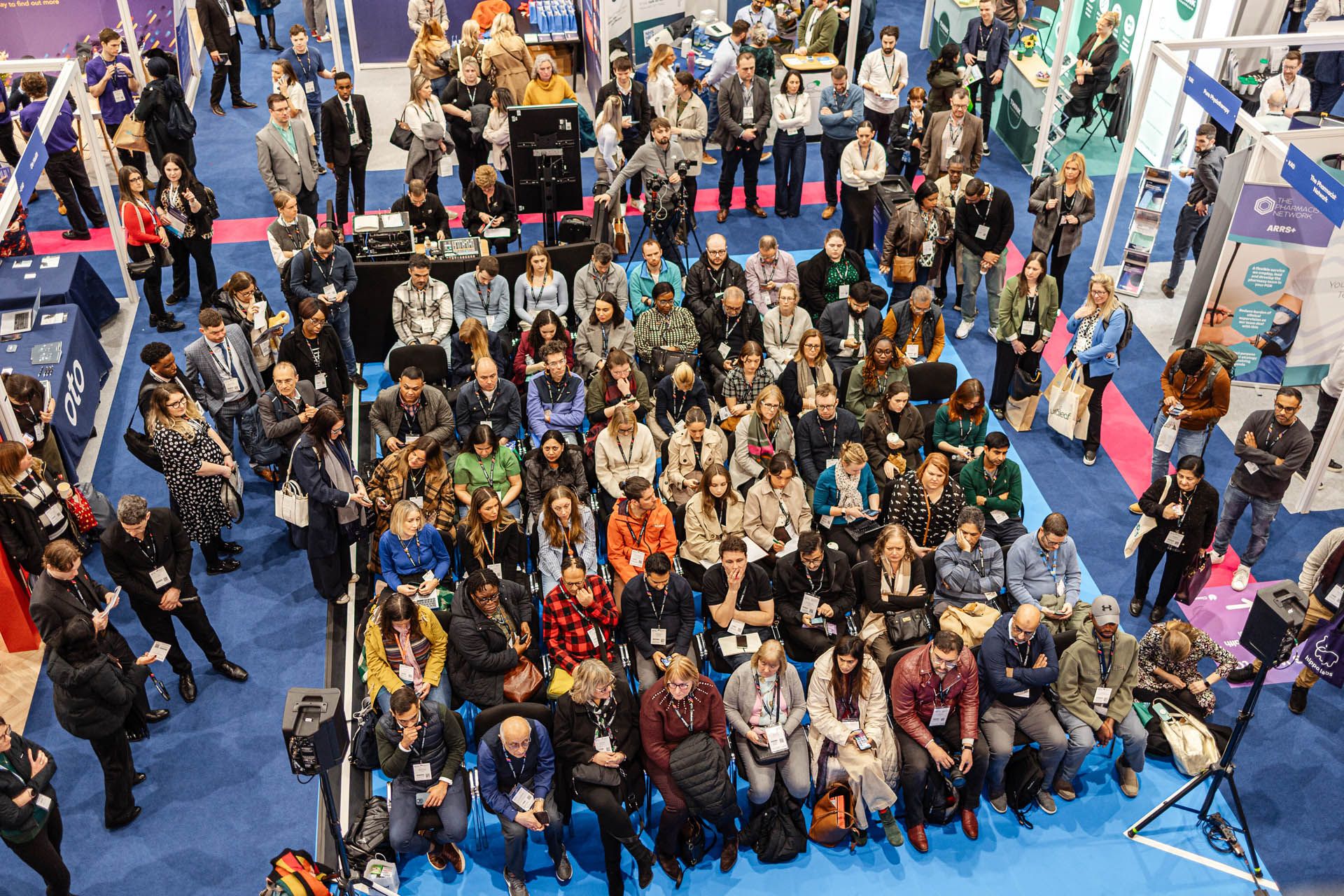
During his session at Best Practice Birmingham 2026, Dr Ellahi will expand on these principles through the honest story of Elm Tree Medical Centre's workforce redesign. Rather than offering a model to replicate, he'll share the questions his team asked, the decisions they made and the lessons delegates can adapt within their own organisations.
If you're looking to hear an open account of one practice's journey, and discover an idea worth adapting in your own, join Dr Mateen Ellahi in the Smart Practice Theatre on Thursday 8 October at Best Practice Birmingham 2026.
For this is what Best Practice Birmingham is about: Real practice. Fresh thinking.